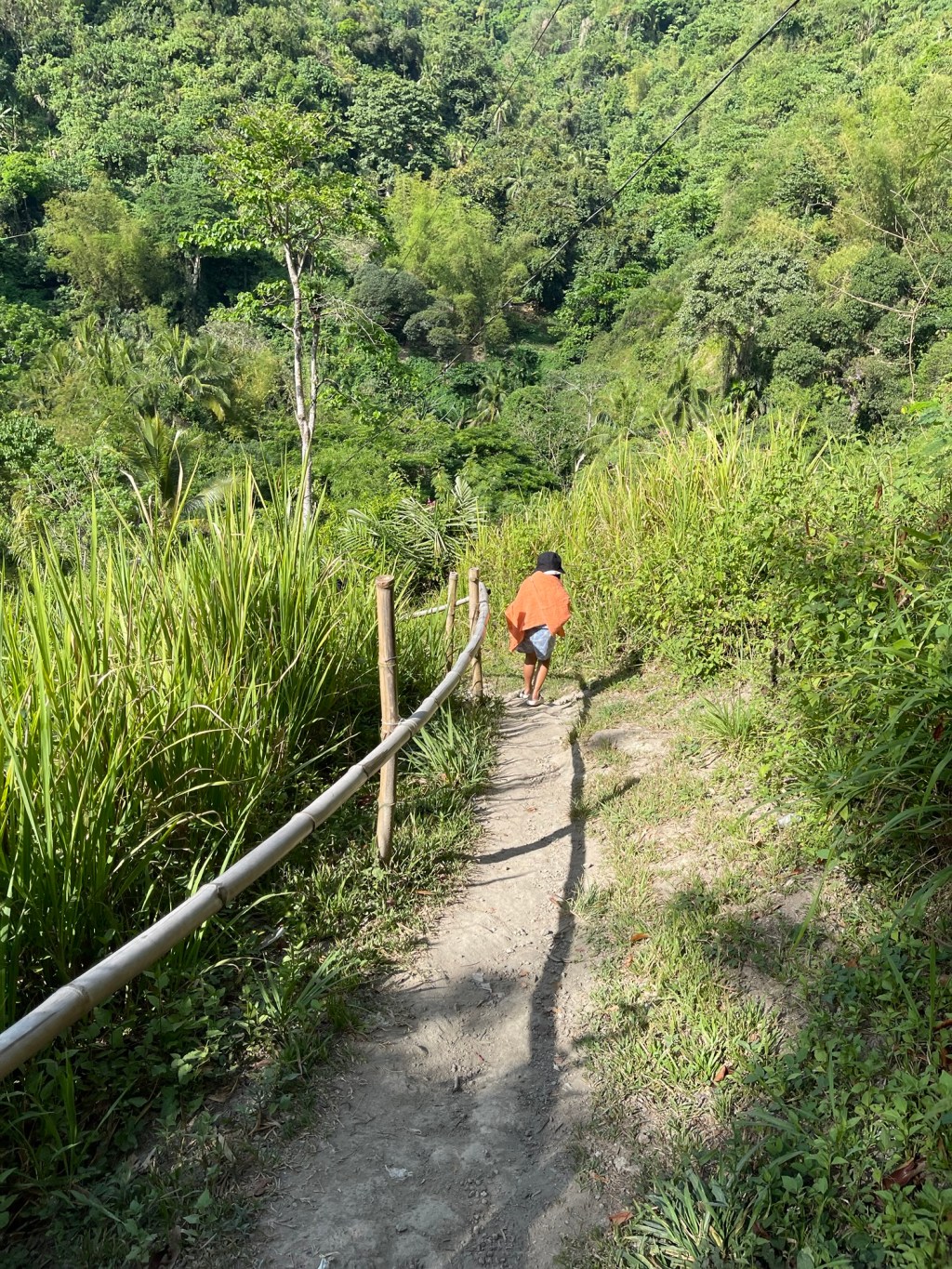
In today’s fast-paced world, it’s easy to think that learning only happens at a desk—with textbooks, worksheets, and screens. But Charlotte Mason believed something entirely different. She understood that some of life’s richest lessons are found not inside four walls, but beneath the open sky.
For many homeschooling families, nature walks become more than just a break from lessons. They become a way of life.
What Is a Nature Walk?
A nature walk isn’t a science class held outdoors. It isn’t a scavenger hunt with a checklist or a lesson packed with facts.
A Charlotte Mason nature walk is simply taking time to observe God’s creation with attentive eyes and an unhurried heart.
Whether it’s watching ants carry food, listening to birds sing, collecting fallen leaves, or noticing the changing colors of the sky, every walk invites children to become careful observers of the world around them.
Why Charlotte Mason Considered Nature Essential
Charlotte Mason believed that children need direct contact with nature because books can never fully replace real experiences.
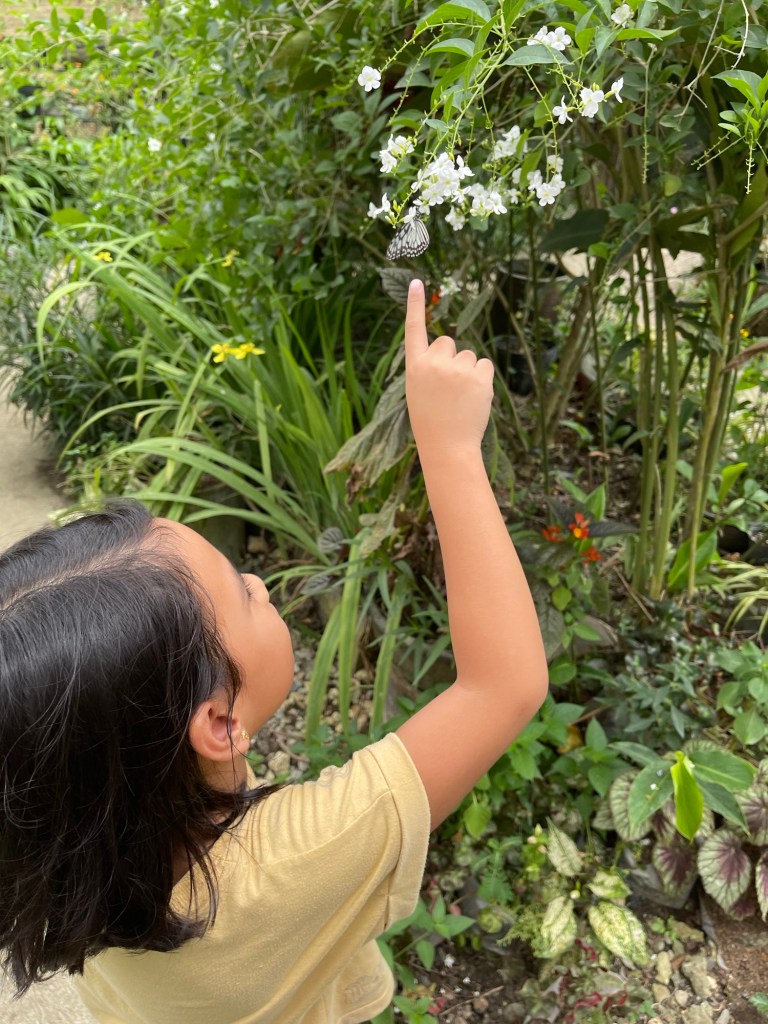
A child who has watched a butterfly emerge from its chrysalis will never read about butterflies in the same way again.
A child who has felt the texture of tree bark, smelled freshly cut grass after rain, or listened to the rustling leaves in the wind develops knowledge that cannot be gained from pictures alone.
Nature provides living lessons that stay with a child for life.
Five Beautiful Benefits of Nature Walks
1. They Cultivate the Habit of Attention
One of Charlotte Mason’s greatest educational goals was helping children learn to truly pay attention.
When children slow down enough to notice tiny flowers growing between cracks, a spider weaving its web, or the sound of distant birds, they are practicing focused observation—a skill that benefits every other area of learning.
2. They Spark Natural Curiosity
Children are naturally full of questions.
“Why do leaves change color?”
“Where do butterflies sleep?”
“Why does this shell look different from the others?”
Instead of beginning with lectures, Charlotte Mason encouraged parents to let curiosity lead the learning.
These questions often become the starting point for meaningful conversations and future studies.
3. They Build a Relationship with God’s Creation
Nature reminds us of God’s creativity, order, and faithfulness.
As children observe the changing seasons, blooming flowers, insects, birds, and trees, they begin to appreciate the beauty of the world He has made.
Nature walks become opportunities for worship, gratitude, and wonder—not just science.
As Psalm 19:1 says:
“The heavens declare the glory of God; the skies proclaim the work of His hands.”
4. They Encourage Calm and Emotional Well-Being
Stepping outside has a way of slowing everyone down.
Fresh air, sunshine, gentle movement, and quiet observation help both parents and children reset after busy or stressful days.
Many homeschooling families find that some of their best conversations happen while simply walking together.
5. They Create Lasting Family Memories
Years from now, your children may not remember every worksheet they completed.
But they’ll likely remember chasing butterflies, climbing over tree roots, collecting interesting rocks, watching sunsets, or finding their first bird’s nest.
Those simple moments become treasured memories that strengthen family bonds.
Bringing Nature Journaling Along
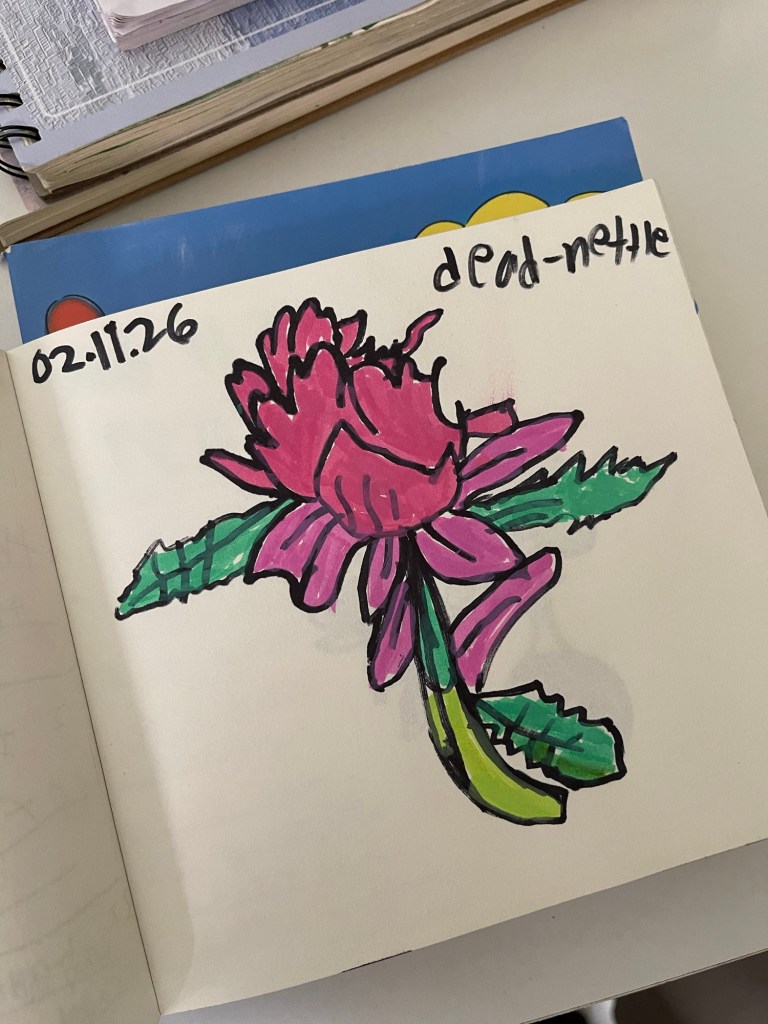
Charlotte Mason encouraged children to keep a nature journal.
Instead of rushing home, bring a small notebook and colored pencils.
Invite your child to:
- Draw something they observed.
- Record the date and location.
- Write a few sentences about what they noticed.
- Ask a question they want to research later.
The goal isn’t artistic perfection—it’s paying attention.
You Don’t Need a Forest
One of the biggest misconceptions is that nature walks require mountains, beaches, or national parks.
Not at all.
Nature can be found almost anywhere:
- Your backyard
- A neighborhood park
- The roadside after the rain
- A local botanical garden
- A quiet walking trail
- Even the plants growing in sidewalk cracks
The key isn’t the location.
It’s the habit of noticing.
A Gentle Reminder for Homeschool Moms
It’s easy to feel pressure to finish every page in the curriculum.
But Charlotte Mason reminds us that education is about nourishing the whole person—not simply checking off lessons.
Sometimes the most valuable lesson of the day isn’t found in a workbook.
It’s found in the wonder of watching a tiny snail cross a path, listening to birds at sunrise, or standing quietly beneath a towering tree.
Those moments shape not only what our children know but who they become.
So this week, close the books for an hour.
Step outside.
Walk slowly.
Notice together.
You may discover that some of your best homeschooling happens when no one realizes they’re being taught.

 I am. I can. I ought. I will.
Leave a comment