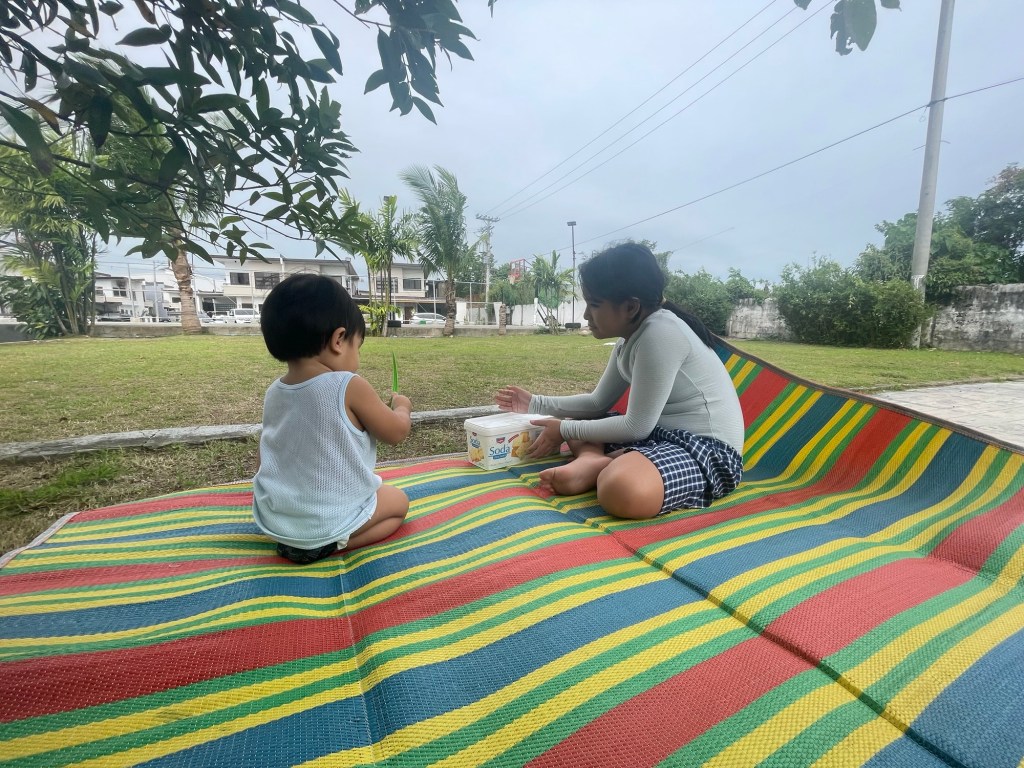

“Education is an atmosphere, a discipline, a life.” — Charlotte Mason
When I first heard about Charlotte Mason homeschooling, I assumed it was simply another curriculum.
I couldn’t have been more wrong.
Charlotte Mason isn’t a curriculum you buy—it’s a philosophy of education. It’s a way of seeing children, learning, and even family life. More than a century after Charlotte Mason first shared her ideas, parents around the world are still discovering how beautifully her principles fit modern family life.
If you’re wondering what Charlotte Mason homeschooling is and whether it’s right for your family, this guide will introduce you to the heart behind the philosophy.
Who Was Charlotte Mason?
Charlotte Mason (1842–1923) was a British educator who believed that children deserve a rich and meaningful education—not just one that prepares them for exams.
Her philosophy was revolutionary for its time because she believed:
“Children are born persons.”
Those four words changed the way many parents viewed education.
Instead of treating children as empty vessels waiting to be filled with information, Charlotte Mason believed they were whole people with curiosity, imagination, and the ability to think deeply.
Her goal wasn’t simply to help children know more.
It was to help them become thoughtful, wise, compassionate, and lifelong learners.
What Makes Charlotte Mason Homeschooling Different?
Unlike traditional schooling, Charlotte Mason homeschooling focuses on educating the whole person.
Instead of spending hours completing worksheets, children are invited to experience learning through books, nature, conversation, art, music, and everyday life.
Here are some of the key principles.
Living Books
Charlotte Mason encouraged families to choose living books—well-written books by authors who are passionate about their subject.
Rather than relying solely on textbooks that summarize information, living books invite children into stories, biographies, history, science, and literature in ways that spark curiosity and imagination.
The goal isn’t just remembering facts.
It’s developing a genuine love for learning.
Nature Study
One of the most recognizable parts of a Charlotte Mason education is time spent outdoors.
Children observe birds, insects, flowers, trees, changing seasons, and weather. They sketch what they see, ask questions, and develop attentiveness to the world around them.
Nature study isn’t simply another subject.
It’s an opportunity to slow down, wonder, and appreciate God’s creation.
Narration Instead of Endless Tests
Instead of filling out pages of comprehension questions, children retell what they’ve learned in their own words.
This practice, known as narration, strengthens attention, memory, communication, and critical thinking.
It also helps parents see what children truly understand without making learning feel like constant testing.
Habit Training
Charlotte Mason believed that good habits make life easier.
Rather than relying on endless reminders, parents gently and consistently help children build habits such as:
- Attention
- Kindness
- Responsibility
- Truthfulness
- Orderliness
- Perseverance
These habits become the foundation for lifelong character.
Short Lessons
Children often learn best when lessons are focused and engaging.
Charlotte Mason recommended shorter lessons for younger children, allowing them to maintain full attention before moving on to something different.
The goal isn’t to fill every hour.
It’s to make each lesson meaningful.
A Rich Education
Charlotte Mason believed every child deserves beauty.
That means exposing children to:
- Great literature
- Poetry
- Art
- Classical music
- Handicrafts
- Scripture
- History
- Science
- Foreign languages
Education becomes broad, joyful, and deeply nourishing.
What Does a Modern Charlotte Mason Homeschool Look Like?
Today’s homeschool families adapt Charlotte Mason’s timeless principles to fit modern life.
A typical day might include:
- Morning Bible reading and prayer
- Reading aloud from a living book
- Short math and language arts lessons
- Nature walk or outdoor play
- Narration and journaling
- Picture study or composer study
- Handicrafts or creative projects
- Plenty of free play and family conversations
Many families also use online libraries, educational apps, documentaries, and homeschool co-ops. Technology isn’t the enemy—it simply serves as a tool rather than the center of learning.
The beauty of modern Charlotte Mason homeschooling is that it allows families to keep the heart of the philosophy while adapting it to today’s world.
Is Charlotte Mason Homeschooling Only for Certain Families?
Not at all.
Many parents worry they aren’t “creative enough” or “organized enough” to homeschool this way.
The truth is, Charlotte Mason homeschooling isn’t about creating a picture-perfect home.
It’s about cultivating a home where curiosity is welcomed, relationships are valued, and learning becomes part of everyday life.
Whether you’re a stay-at-home parent, work remotely, or homeschool alongside other responsibilities, you can begin with small, meaningful changes.
You don’t have to do everything at once.
Why Our Family Chose the Charlotte Mason Approach
For our family, homeschooling isn’t simply about academics.
It’s about building a home where learning feels joyful, conversations matter, books become lifelong friends, and time outdoors reminds us of God’s goodness.
Charlotte Mason’s philosophy gave us permission to slow down.
To trade constant busyness for meaningful moments.
To value wonder alongside knowledge.
To remember that childhood isn’t a race to finish a curriculum—it’s a season to nurture hearts, minds, and character.
Final Thoughts
If you’re exploring homeschooling, Charlotte Mason offers more than a method of teaching.
She offers a vision of education rooted in respect for children, delight in learning, and appreciation for the beauty of everyday life.
You don’t need a perfect schedule, an elaborate homeschool room, or shelves full of curriculum to begin.
Start with a good book.
Take a walk outside.
Read a poem together.
Ask thoughtful questions.
Notice the world with your child.
Sometimes, the richest education begins with the simplest moments.
I’d love to hear from you!
Have you been curious about Charlotte Mason homeschooling, or are you already using this approach? Share your experiences or questions in the comments below. Let’s encourage one another as we grow in this beautiful journey of learning together.

 I am. I can. I ought. I will.
Leave a comment